



Is Mother of Pearl Furniture Worth the Cost? An Honest Buyer’s Guide
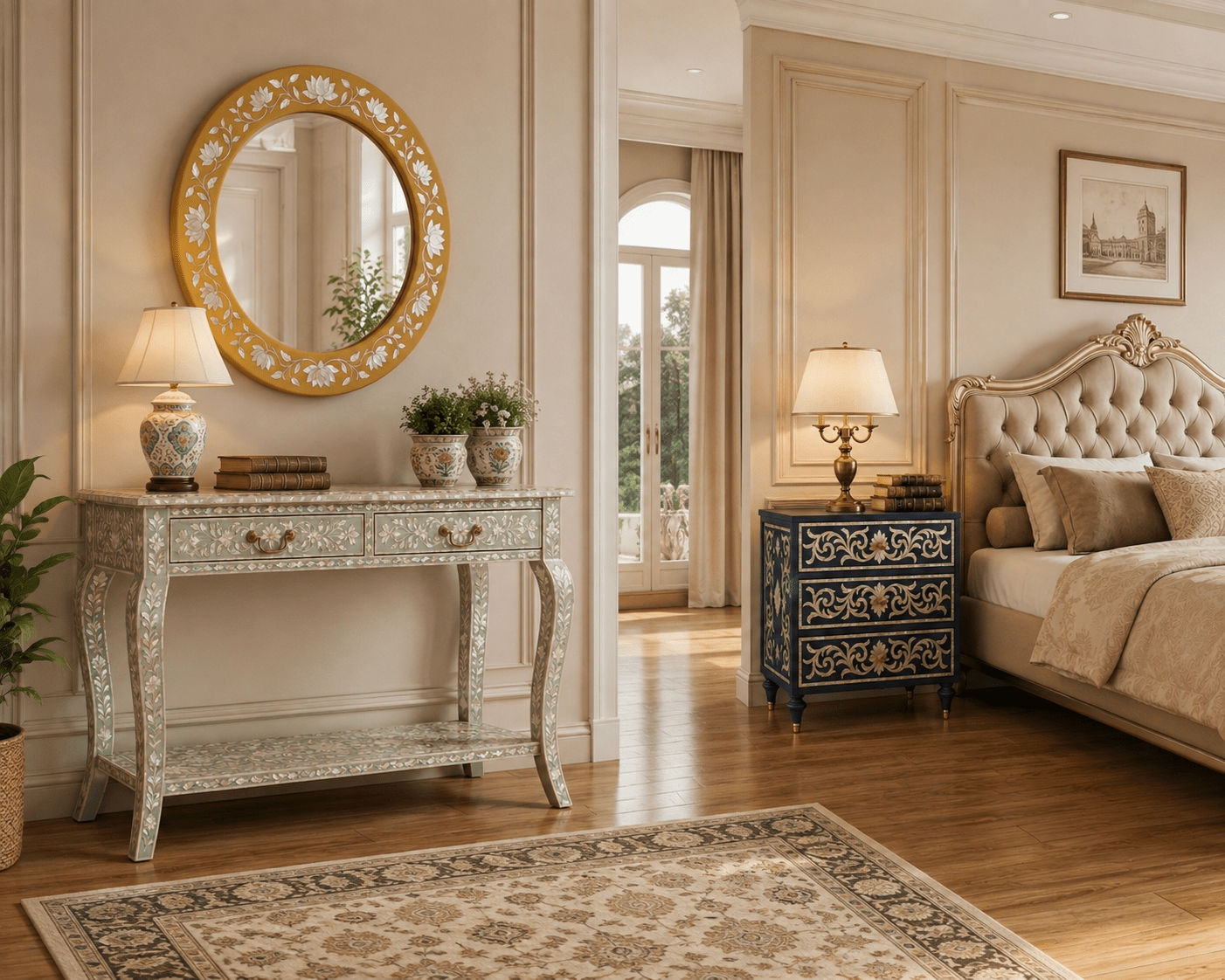
So you’ve been eyeing that mother of pearl furniture like a coffee table or cabinet for weeks now. It’s stunning — it catches the light in a way no ordinary piece does. And then you saw the price tag and thought, “Okay, but is this actually worth it, or am I just paying for the sparkle?”
Fair question. Let’s actually answer it, no sales pitch, just the real breakdown.
What Makes Mother of Pearl Furniture So Expensive in the First Place
Before we talk about value, we need to talk about cost — because the two aren’t the same thing, and understanding why it costs what it costs is the whole key to deciding if it’s worth it for you.
The raw material itself is rare
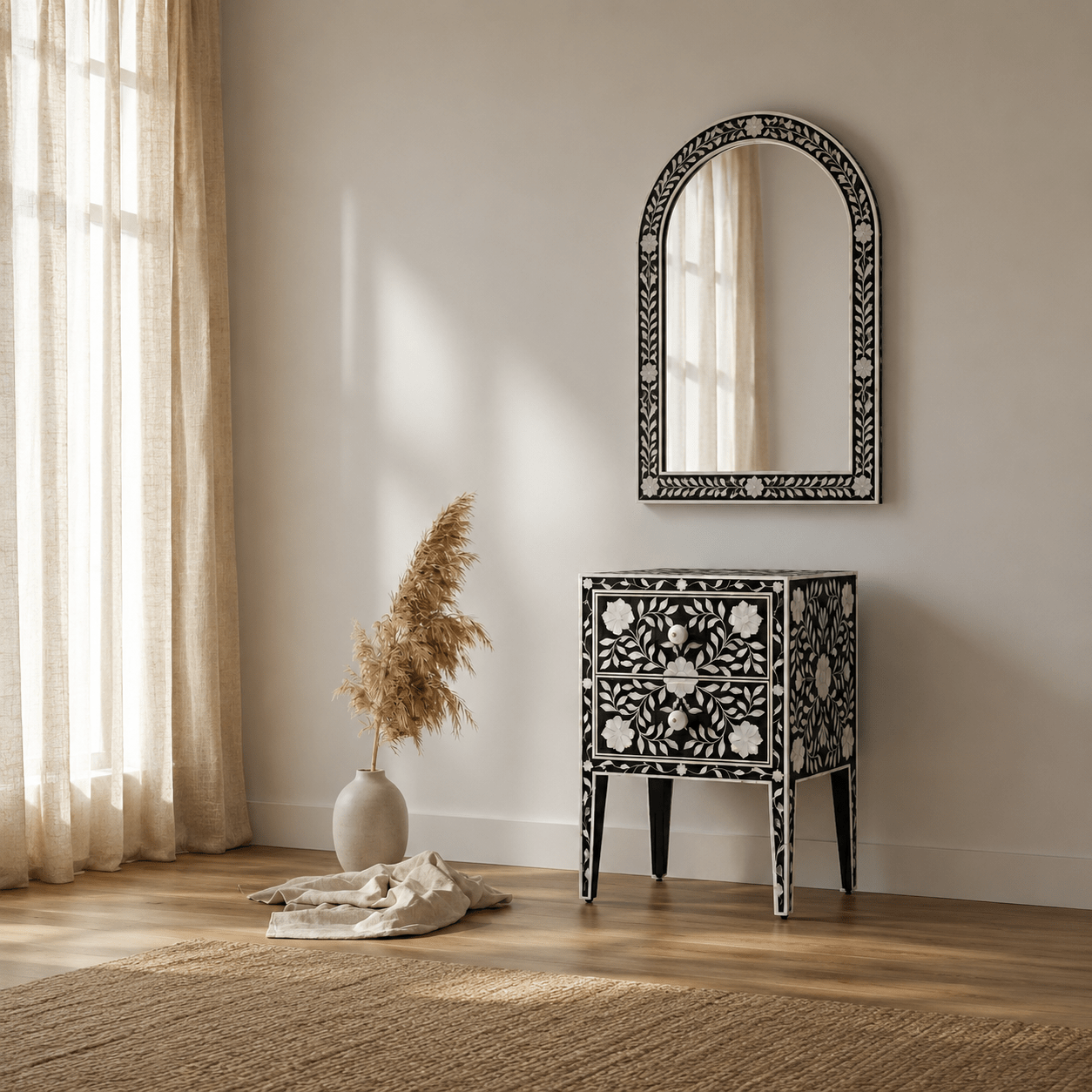
Mother of pearls aren’t manufactured. It’s the iridescent inner lining of mollusk shells — mostly oysters and abalone — and it takes years to form naturally inside the shell before anyone can harvest it. “These mollusks often live in remote coastal waters, which makes sourcing slow and genuinely labor-intensive — you can see that craftsmanship reflected in our Mother of Pearl Bedside Table Collection — before a single piece of furniture is even started.”
That scarcity is baked into the price from day one.
It’s all handwork, no shortcuts
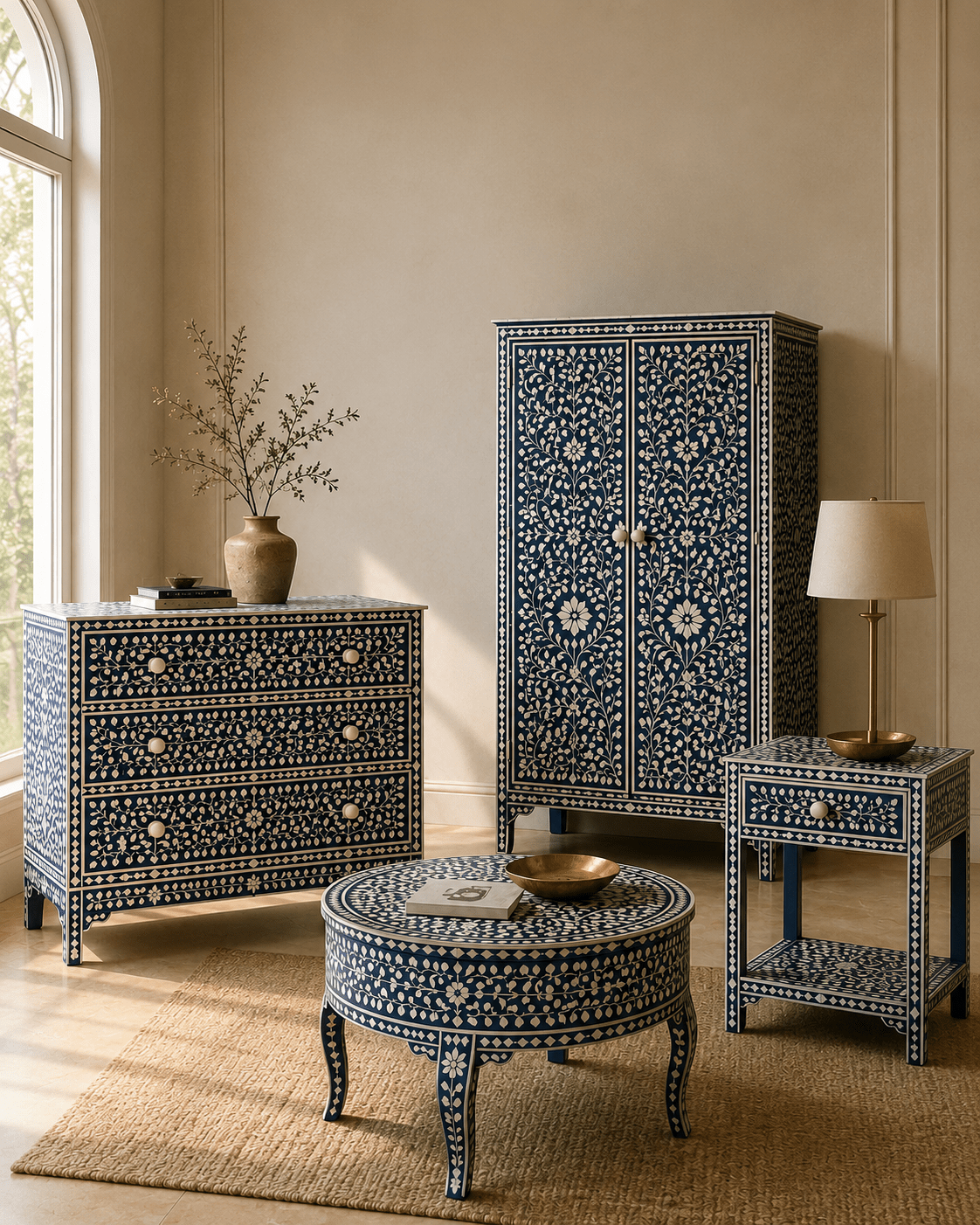
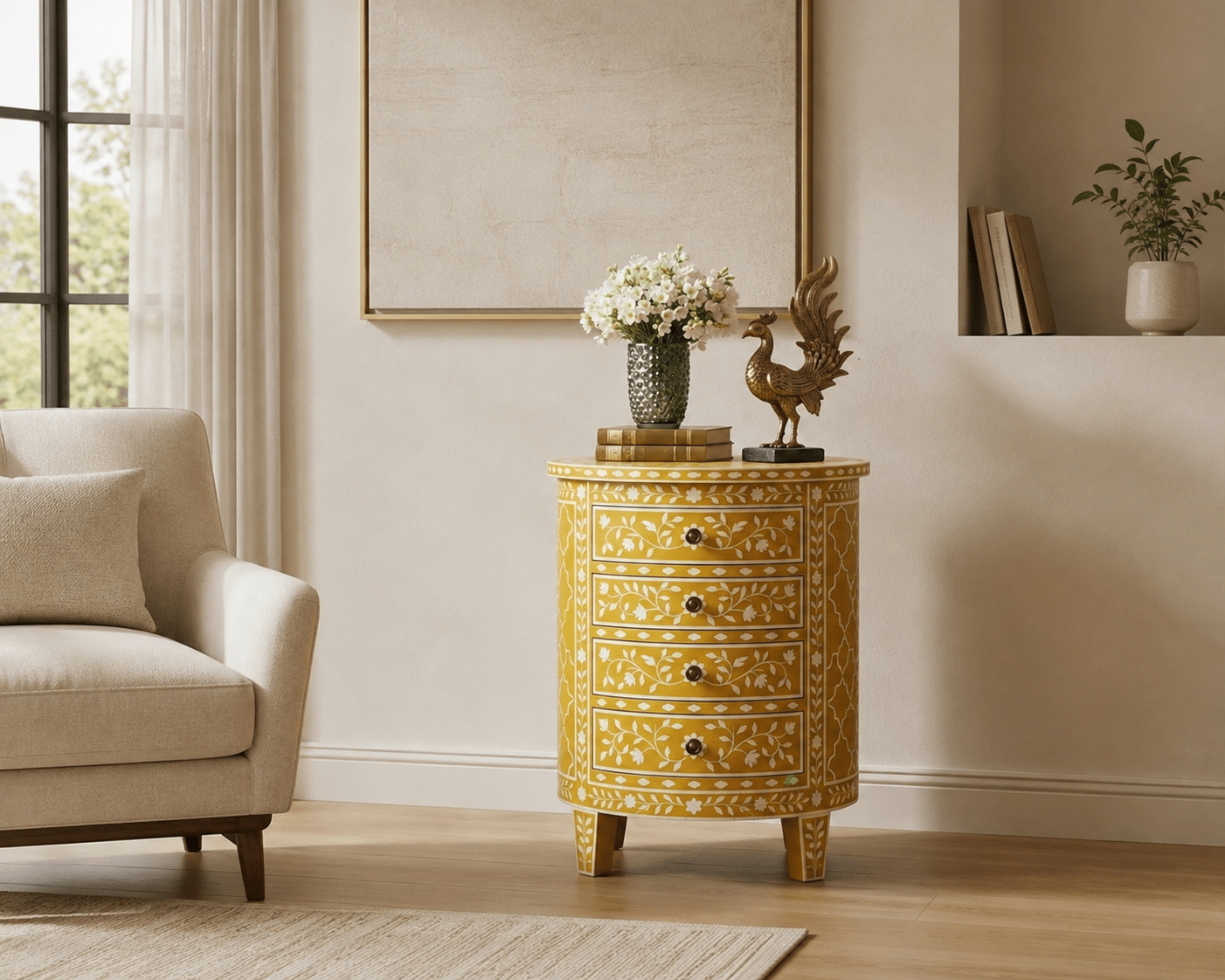
Here’s the part most people don’t picture: every shell fragment is cut, shaped, and set into the wood by hand, piece by tiny piece. There’s no machine that replicates this. A single tabletop can involve thousands of individually placed inlay pieces, each one slightly different from the last.
That’s why two mother of pearl pieces — even from the same collection — are never truly identical. You’re not buying a product off an assembly line. You’re buying hours (sometimes weeks) of an artisan’s actual time.
What You’re Really Paying For
Once you see past the price tag, here’s what’s actually inside it:
- A one-of-a-kind piece. No two shells shimmer exactly the same way, so no two pieces of furniture do either.
- A solid wood foundation. Reputable pieces are built on hardwoods, not particleboard or veneer — which is a big part of why they hold up.
- Longevity. A well-made piece is designed to stay in the family, not the landfill, in five years.
- A skill that’s disappearing. Fewer artisans are trained in inlay work every year, so you’re also paying to keep a craft alive.
Think of it less like buying a coffee table and more like buying a small piece of functional art that happens to hold your coffee.
The Honest Downsides (Because No Piece Is Perfect)
A good guide doesn’t just sell you — it tells you the trade-offs too.
- Mother of pearls is soft-ish. On the hardness scale, it sits around 3.5–4, similar to a fingernail-plus. That means it can scratch if you’re careless, and it doesn’t love harsh cleaning chemicals or acidic spills.
- It’s not built for rough-and-tumble households. A home with toddlers hurling toy trucks or a puppy that chews furniture legs might want to keep MOP pieces out of the direct blast zone.
- Not every “mother of pearl” listing is equal. Some cheaper pieces use printed or synthetic mother-of-pearl-look finishes instead of the real shell. If durability and resale value matter to you, this distinction matters a lot.
- It needs a little upkeep. Nothing dramatic — a soft dry cloth, no ammonia-based cleaners, and keeping it out of direct blazing sun — but it’s not entirely “set it and forget it” furniture.
So… Is It Actually Worth It?
Honestly? It depends on what you’re optimizing for.
When it makes sense
- You want a genuine statement piece, not another catalog-look item everyone else has too
- You’re furnishing a space meant to last (a formal living room, a hotel lobby, a design-forward office)
- You care about craftsmanship and are okay paying for time and skill, not just materials
- You’re willing to give it a little gentle care in exchange for decades of use
When to skip it (for now)
- It’s going in a high-traffic, high-chaos zone (think: a mudroom with muddy boots flying)
- You’re on a tight budget and just need functional furniture for a season of life
- You’re buying purely for trend reasons and might swap styles in a year or two
How to Make Sure You’re Getting Real Value
If you’ve decided it’s worth it, the next question is making sure you’re buying the real thing from people who know what they’re doing:
- Ask what the shell is set into. Solid wood should always be the base.
- Ask if it’s genuine shell or a printed/synthetic finish. A reputable seller will tell you straight.
- Look at the inlay work up close (or in detailed photos). Genuine handwork has tiny natural variations — that’s a feature, not a flaw.
- Buy from artisans or brands with a real production story, not just a product photo and a price.
Bringing It Home
Mother of pearl furniture isn’t “worth it” in the way a budget flat-pack table is worth it — that’s not really the comparison. It’s worth it the way a hand-tailored suit or a piece of fine jewelry is worth it: you’re paying for rarity, skill, and something that will still look extraordinary long after trend-driven furniture has been replaced twice over.
If that’s the kind of investment you’re looking for, it’s genuinely one of the few furniture choices that gets more interesting to own over time, not less.
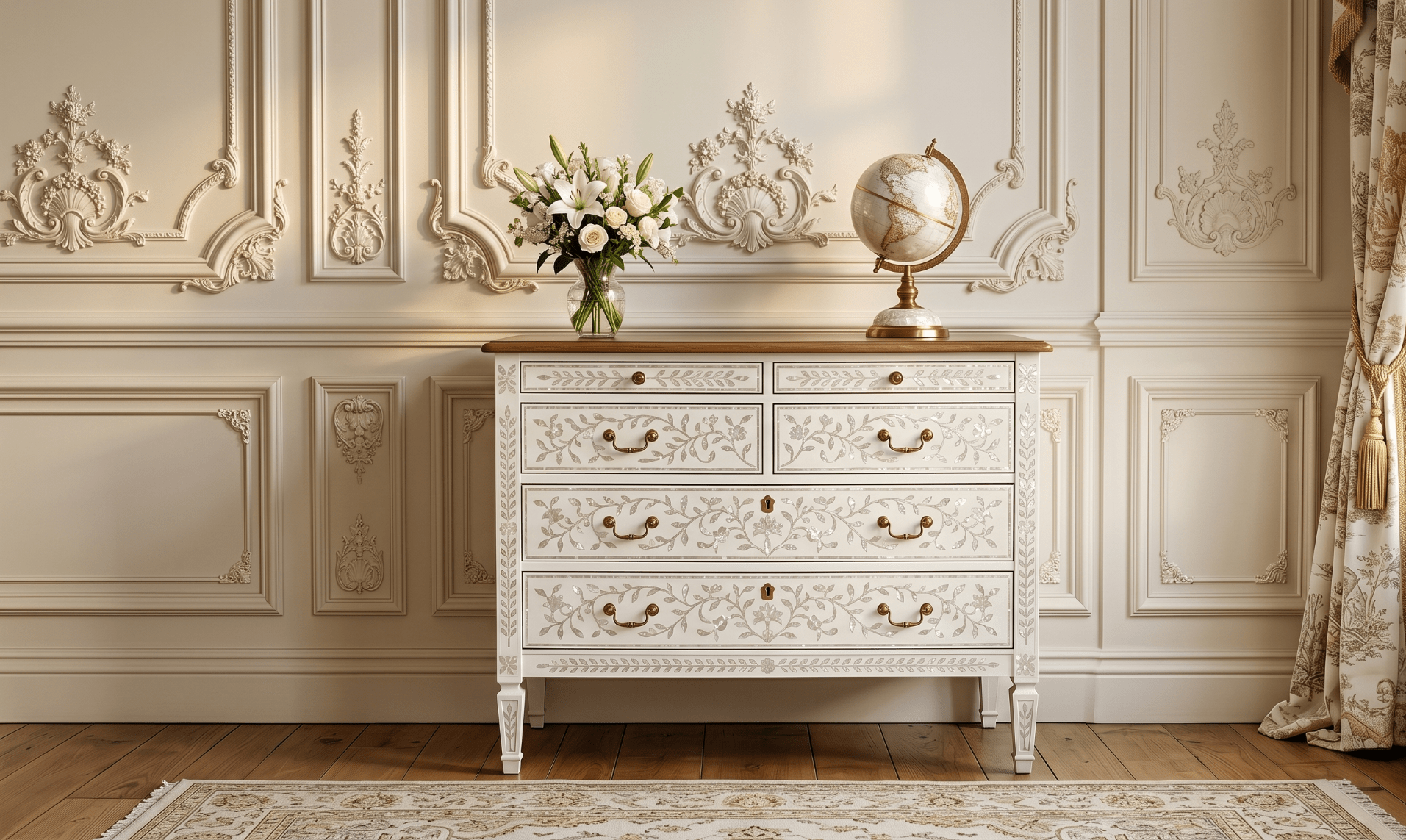
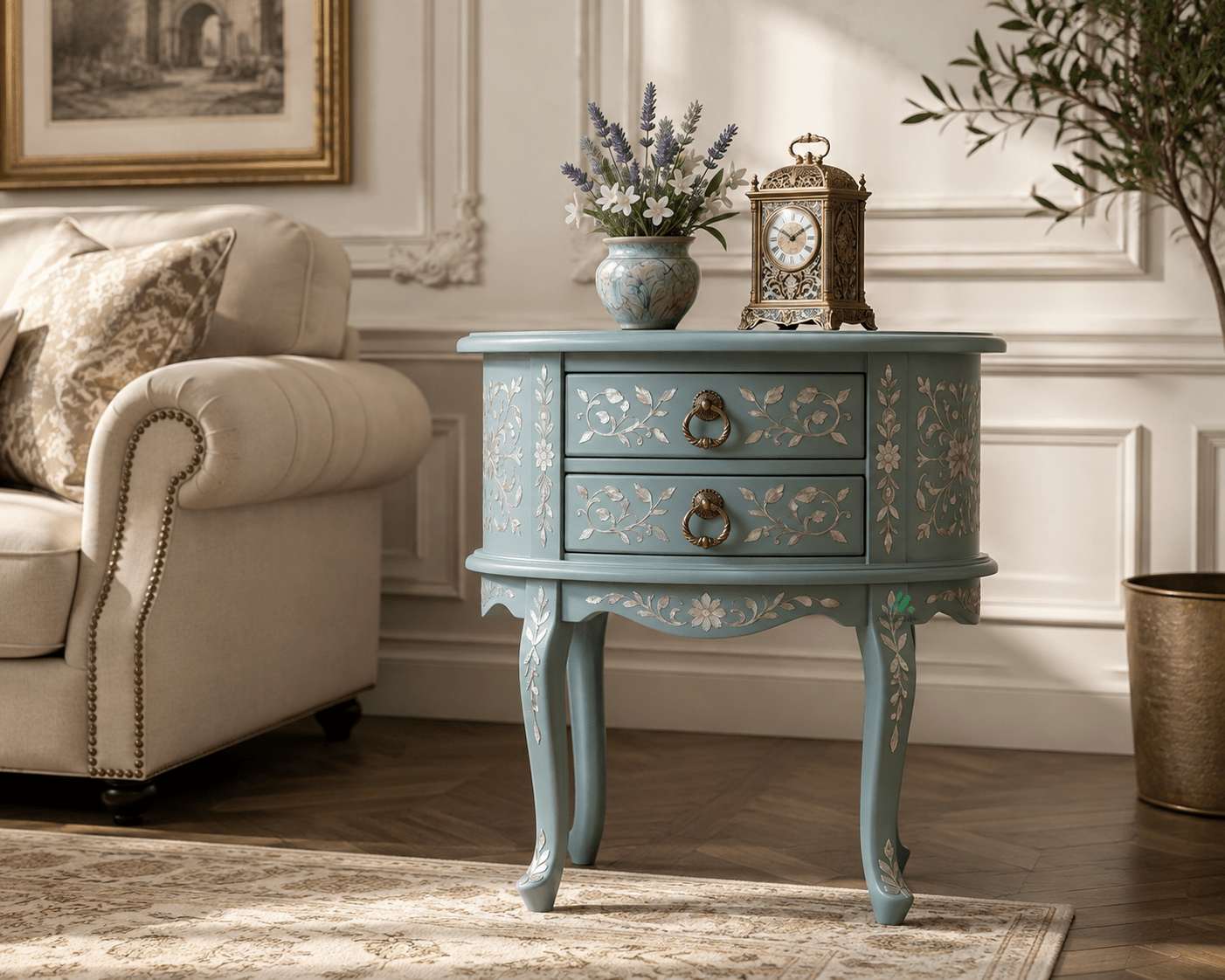
Thinking about bringing a piece like this into your home? Browse our handcrafted mother of pearl collection Mother of Pearl Furniture full Collection and see the craftsmanship up close before you decide — sometimes seeing the detail in person (or in a good close-up) is what makes the “worth it” question answer itself.
Add a review
Your email address will not be published. Required fields are marked *